
Key takeaways
- In BC, cleaning the rental when you move out is the tenant's job. If it is left dirty, the cost can come out of your damage deposit.
- BC's official tenancy guideline spells out exactly what tenants are expected to clean, right down to the oven, the fridge and the window tracks.
- You are not responsible for normal wear and tear, or for cleaning to a higher standard than the law asks for.
- Your landlord generally has 15 days to return your deposit once the tenancy has ended and they have your forwarding address in writing.
Moving day has a special kind of chaos. The truck is booked, the boxes are half taped, someone has lost the drill bits, and you suddenly remember: the oven. The oven you have not looked inside since the great pizza cheese incident of last winter.
Here is the thing most renters do not realise until it is too late. In BC, a dirty unit can quietly cost you part of your damage deposit. The good news? The rules are written down, they are fairer than you might think, and with the right checklist you can hand back the keys with confidence. Let's walk through it.
Quick note: we are a cleaning company, not lawyers. Everything below is based on official BC government guidance, linked throughout, but for advice on your own situation, check with the BC Residential Tenancy Branch.
What BC law actually says about move-out cleaning
According to the BC Residential Tenancy Branch, it is the tenant's responsibility to clean the rental unit when moving out. If the place is not clean, the tenant can be asked to pay the cleaning costs.
But here is the part that is fair to you. Residential Tenancy Policy Guideline 1 says tenants are not responsible for reasonable wear and tear, which it describes as natural deterioration from ageing and normal use. It also says you do not have to clean the place to a higher standard than the law requires. So faded paint from the sun is not on you. A greasy range hood is.
"Clean" means reasonably clean and sanitary, not show-home perfect. You are aiming for a place the next person could move straight into.
The official list (yes, there is one)
This is the part most people have never heard of. BC's Policy Guideline 1 lists specific things tenants are expected to take care of at the end of a tenancy. Here are the big ones in plain language:
| Area | What the guideline expects from tenants |
|---|---|
| Stove and oven | Clean the stove top, elements and oven |
| Fridge | Defrost it and clean it |
| Dishwasher | Wipe out the inside |
| Behind appliances | If the fridge and stove are on rollers, pull them out and clean behind and underneath |
| Windows | Clean inside windows and tracks, plus balcony doors, windows and tracks inside and out |
| Blinds and curtains | Leave window coverings clean (check with your landlord about any special cleaning instructions first) |
| Walls | Wash off scuff marks and fingerprints, unless the wall texture makes that impossible |
| Vents and fans | Clean the screen of vents and fans |
| Carpets | Usually steam clean or shampoo after a tenancy of a year or more, or sooner if there were pets or smoking |
That rollers detail is a good one to know. If your fridge or stove is not on rollers and is hard to move, the guideline says that part is the landlord's job, unless they show you how to move it safely. So no, you do not have to wrestle a 90 kg fridge across the kitchen floor.
Your room-by-room move-out cleaning checklist
Print this, screenshot it, stick it on the fridge you are about to defrost. Work top to bottom in each room so the dust falls onto surfaces you have not cleaned yet.
Kitchen (the deposit decider)
- Oven inside, racks, door glass and the drawer underneath
- Stove top, elements, drip pans and knobs
- Range hood and filter (grease hides here)
- Fridge: empty, defrost, wipe shelves, drawers and door seals
- Dishwasher interior, filter and door edges
- Inside and outside every cupboard and drawer
- Sink, taps, backsplash and counters
- Behind and under appliances on rollers
Bathrooms
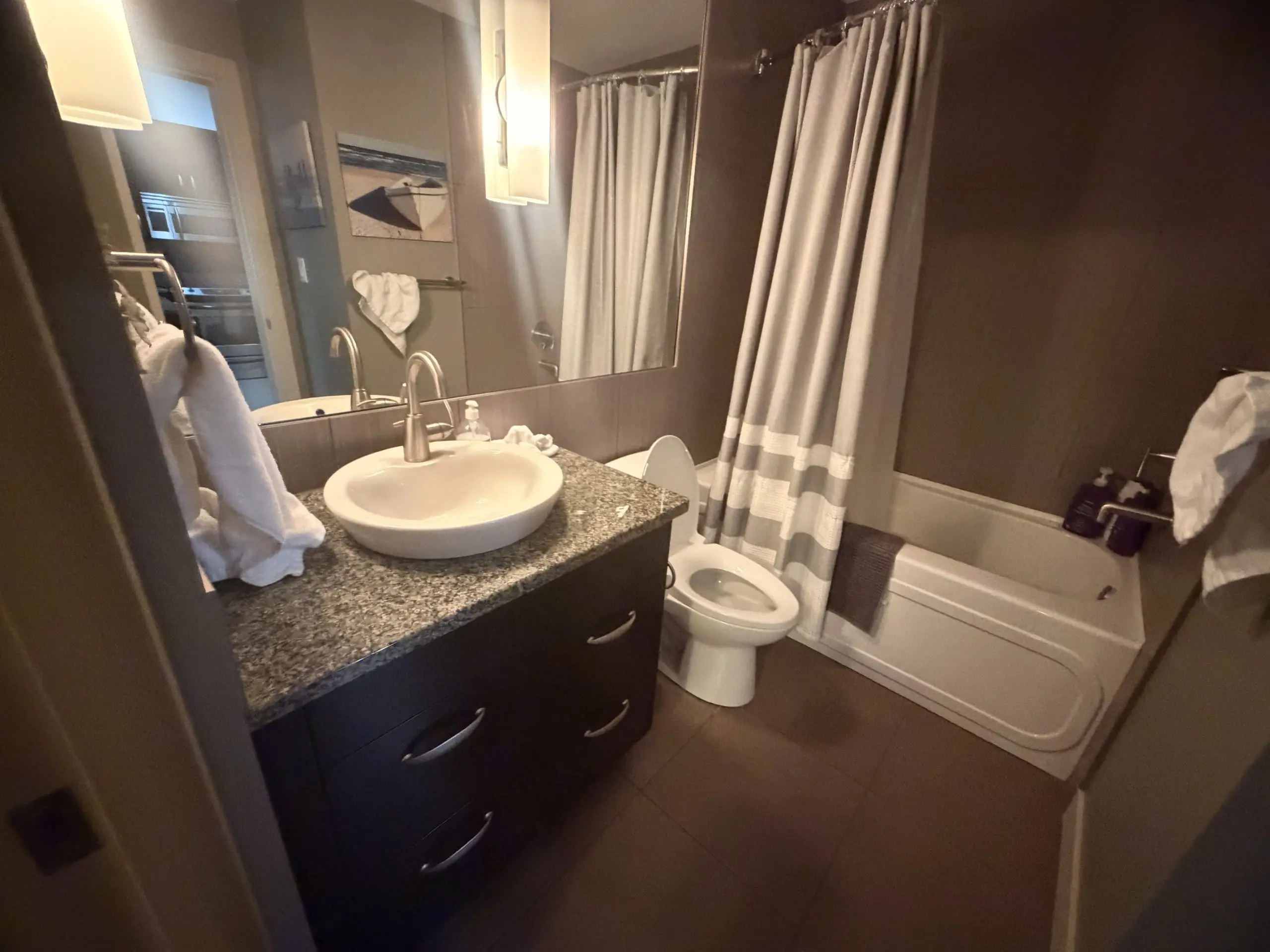
- Toilet, including the base, bolts and behind it
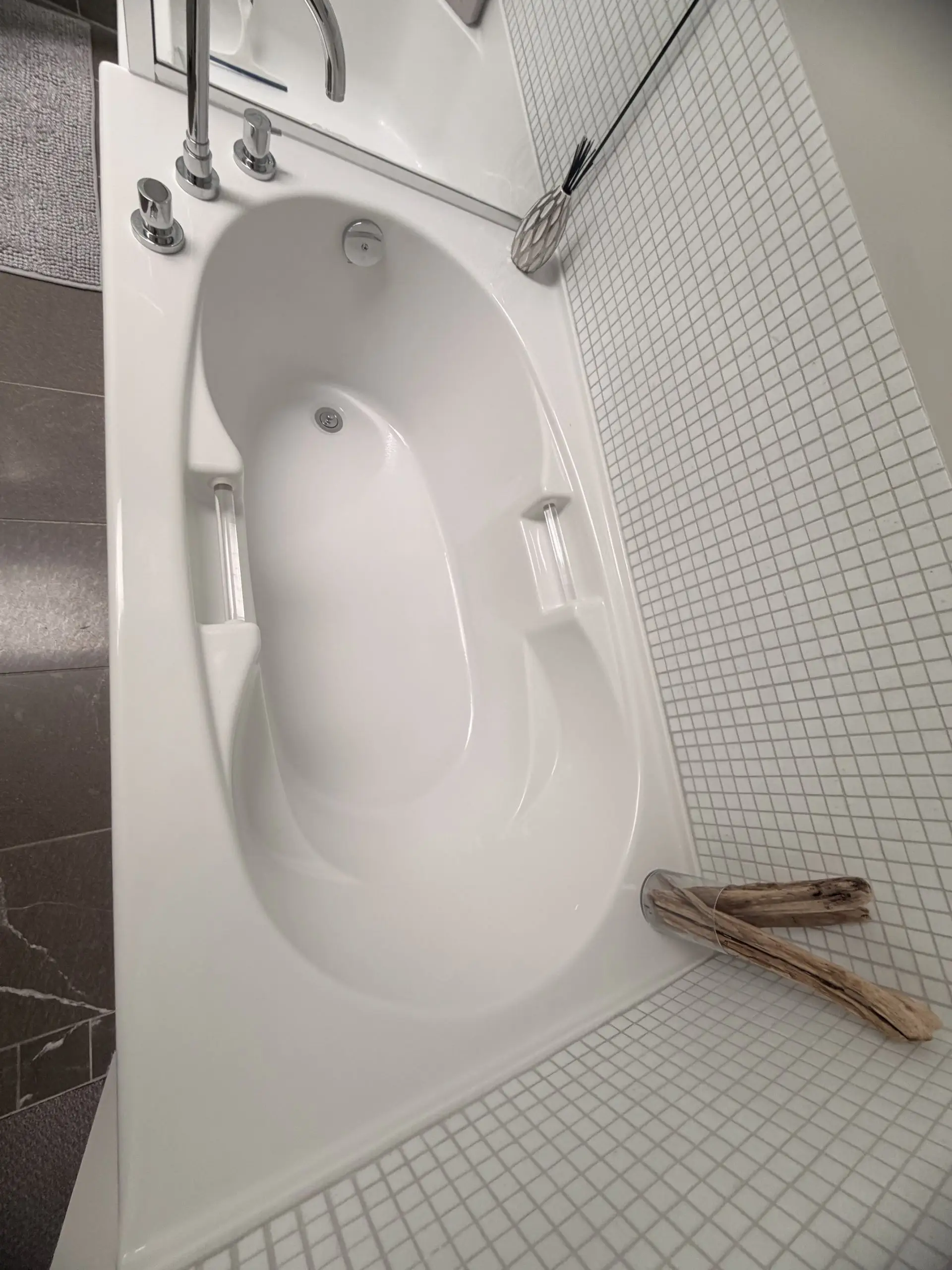
- Tub, shower, tiles, grout and glass door tracks
- Sink, taps, vanity inside and out, and mirror
- Exhaust fan cover
- Floor, especially corners and behind the door
Bathrooms are where soap scum and limescale love to hide. Our post on why professional bathroom cleaning makes a real difference covers the hot spots in more detail.
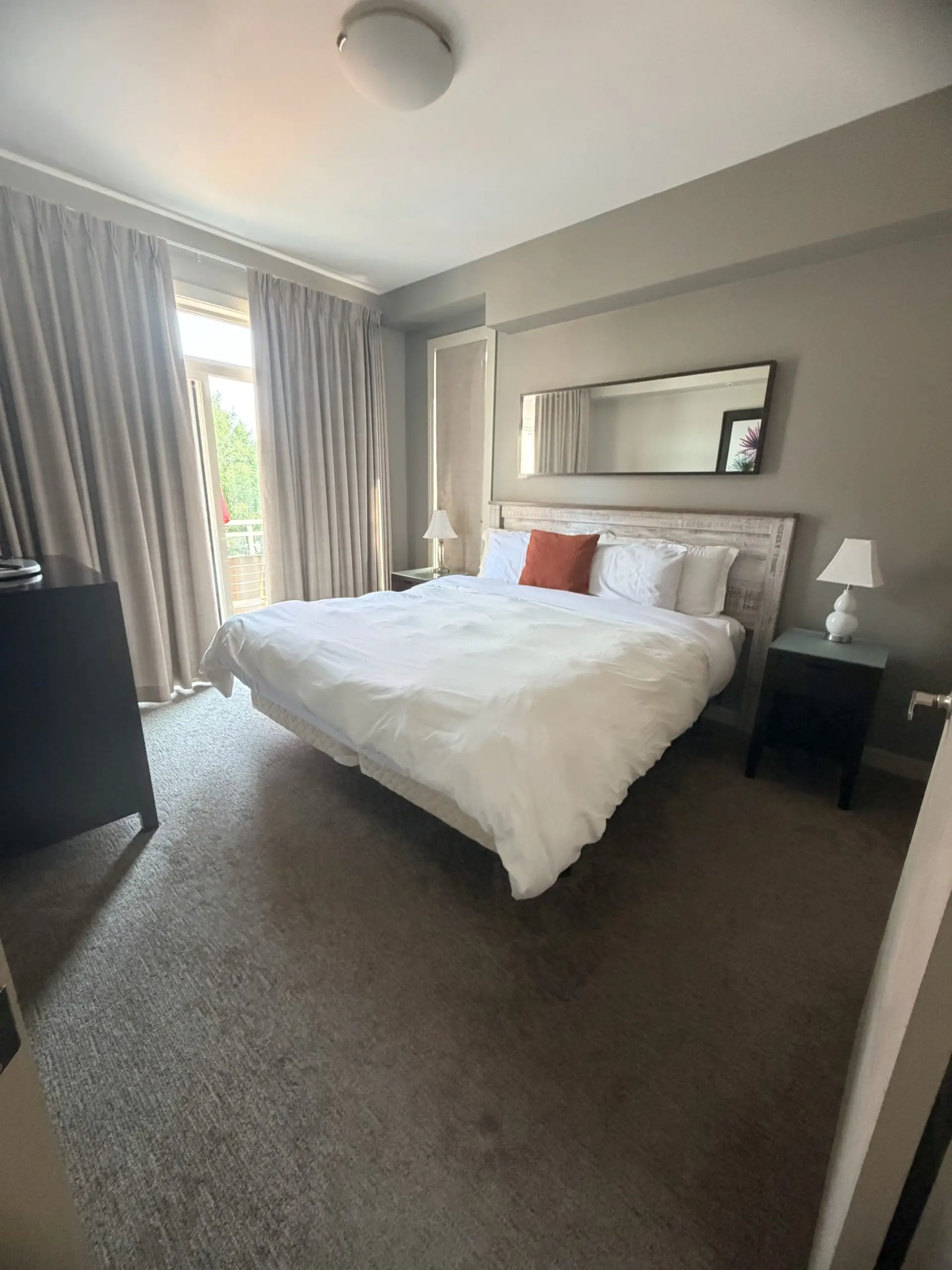
Bedrooms and living areas
- Inside closets, shelves and rods
- Light switches, outlet covers and door handles
- Walls: scuff marks and fingerprints
- Baseboards, door frames and tops of doors
- Blinds, window sills and window tracks
- Floors: vacuum and mop, including under where furniture used to be
Easy-to-forget extras
- Light fixtures (bugs love them)
- Vent and fan screens
- Balcony or patio, and balcony door tracks
- Washer and dryer: wipe down and clear the lint trap
- Garbage and recycling: take it all away, the landlord should not inherit your pizza boxes
Clean from the back of the home towards the front door, so you are not walking over floors you have just mopped. Then take your photos on the way out.
Take photos. Seriously.
When you move out, BC landlords and tenants do a move-out condition inspection together, usually using the Condition Inspection Report (Form RTB-27) or a similar form. The BC Residential Tenancy Branch notes that if a tenant does not take part in the inspection, they may lose the right to get their damage or pet deposit back. So show up!
Before the inspection, take clear, dated photos and a short video of every room, including inside the oven, fridge and cupboards. If there is ever a disagreement about the condition of the place, you will be very glad you did. Compare them with your move-in report if you have it.
Getting your deposit back: the timeline
- Give your forwarding address in writing. The landlord needs it to send your deposit back.
- Do the move-out inspection. Walk through together and sign the condition report.
- Wait up to 15 days. The landlord generally has 15 days, once the tenancy has ended and they have your forwarding address, to return the deposit (with any interest) or apply to keep some of it.
- Know your options. The BC Residential Tenancy Branch says that if a landlord misses that deadline, a tenant can apply and the landlord may be ordered to pay double the deposit.
The best way to avoid any of the stressful bits? Leave the place so clean there is nothing to argue about.
DIY or hire a move-out cleaner?
You can absolutely do it yourself. Just be realistic: a proper move-out clean of an average home is a full day of work, and it lands at the exact moment you are most exhausted. Here is how it usually shakes out:
| Doing it yourself | Hiring a cleaner | |
|---|---|---|
| Time | A full day (or two) on top of moving | Done while you handle the move |
| Supplies | Buy, carry and pack them again | Cleaner brings everything |
| Ovens, fridges, grout | Usually the part that gets rushed | Done properly, top to bottom |
| Stress level | Very high at 11 pm the night before | You walk away and hand back the keys |
Our move-in and move-out cleaning service is a top-to-bottom clean of an empty home, built around exactly the kind of checklist above. It is often the same level of detail as a deep house clean, just in an empty space. One honest note: if your carpets need steam cleaning or shampooing, ask us whether that is included in your quote, or book a carpet specialist.
Landlords and property managers: this works both ways
Turning over a rental between tenants? A professional clean means your next tenant moves in to a place that feels cared for, which sets the tone for the whole tenancy. It also gives you a clean, clear starting point for the move-in condition report. We work with landlords across Vernon, Coldstream, Armstrong, Spallumcheen and Lake Country.
Book early, especially at month end
Most tenancies end on the last day of the month, so the final few days of every month are the busiest time for move-out cleaning. If you know your move date, get your free quote as early as you can so you are not scrambling for a slot. Then go and enjoy your new home. Maybe even set up regular cleaning so it stays that way.
Frequently asked questions
Do I have to clean my rental when I move out in BC?
Yes. The BC Residential Tenancy Branch says it is the tenant's responsibility to clean the rental unit when moving out. If it is not clean, the tenant can be asked to pay cleaning costs.
Do I have to clean behind the fridge and stove?
Under BC Policy Guideline 1, if the fridge and stove are on rollers, the tenant should pull them out and clean behind and underneath. If they are not on rollers and are hard to move, that is generally the landlord's responsibility.
Do I have to steam clean the carpets when I move out?
Generally, BC guidance says tenants are responsible for steam cleaning or shampooing carpets after a tenancy of one year, or sooner if there were pets that were not caged, smoking, or stains caused by the tenant.
How long does my landlord have to return my damage deposit in BC?
Generally 15 days, once the tenancy has ended and the landlord has your forwarding address in writing. Within that time they must return the deposit with any interest, or apply to keep some or all of it.
Do you do move-out cleaning in Vernon and Lake Country?
Yes. We do move-in and move-out cleaning across Vernon, Coldstream, Armstrong, Spallumcheen and Lake Country. Fill in our quick quote form or text us at (250) 550-5453.